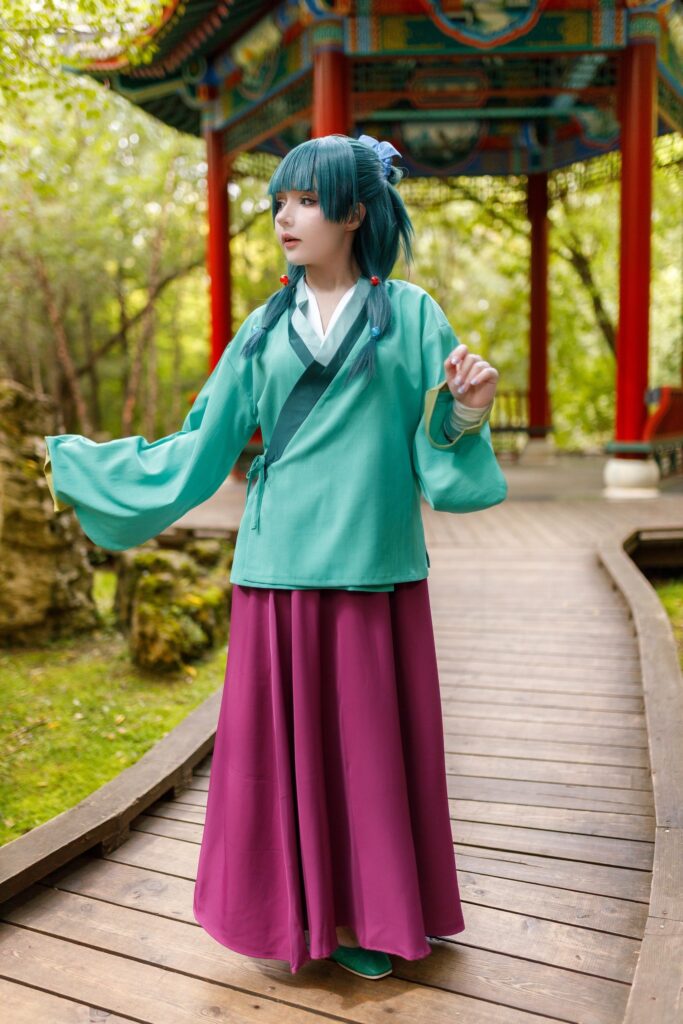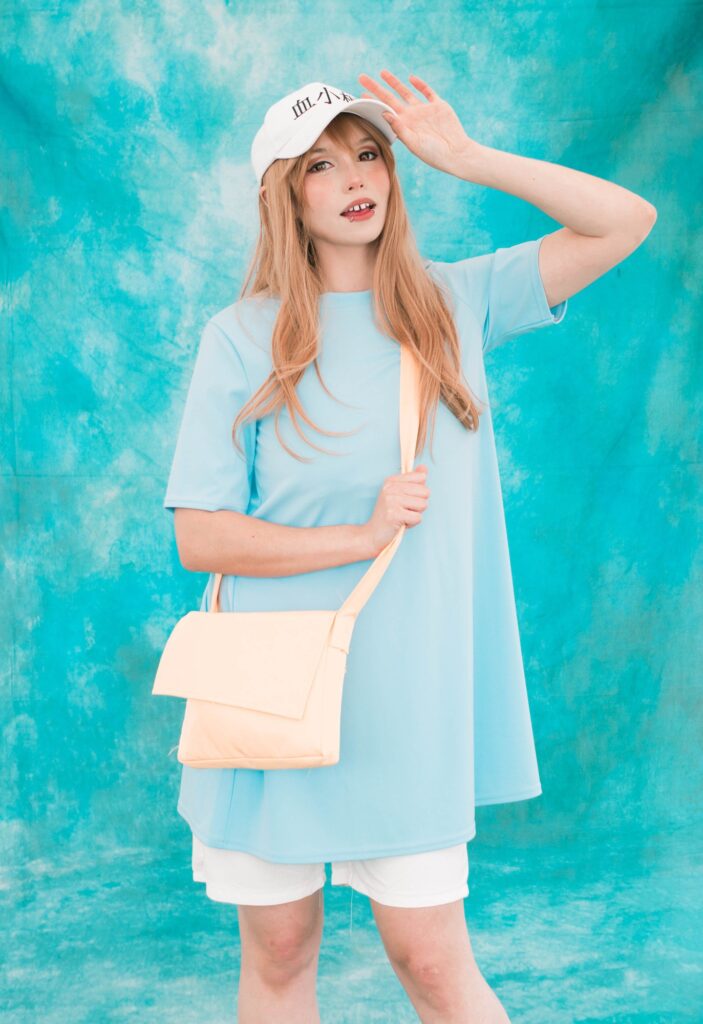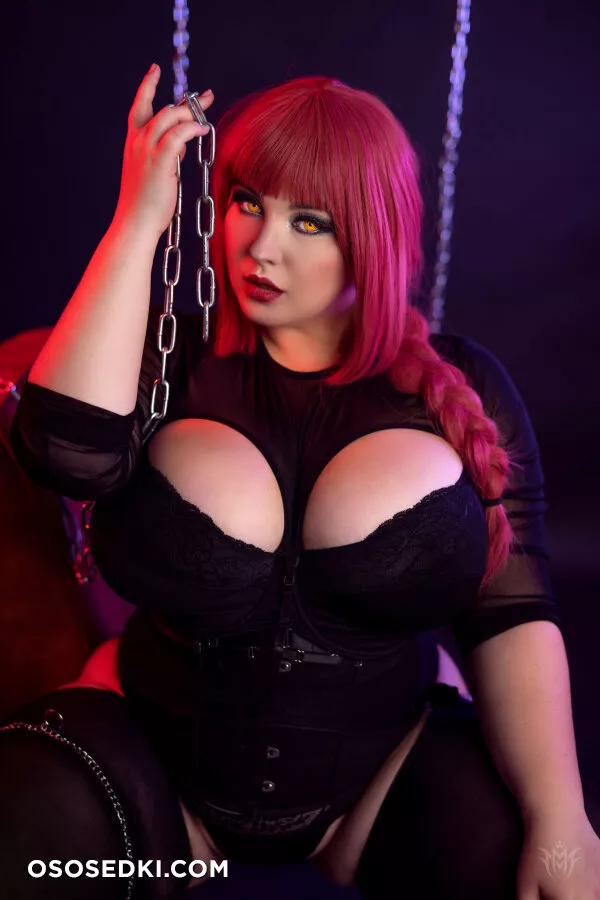
Lada Lyumos is a prominent online content creator with a growing presence on social media and subscription platforms. Known for her distinct style and professional photo sets, she has attracted a large fan base interested in cosplay, modeling, and exclusive media content.
As her popularity continues to rise, the search term “Lada Lyumos OnlyFans leaks” has become increasingly common. Many people are curious about potential leaked content, which often leads to confusion about what is genuine and what is not.
Are There Any Real Leaks from Lada Lyumos?
Despite multiple online claims, there is no verified evidence of large-scale leaks from Lada Lyumos’s OnlyFans account. Most material labeled as “leaks” typically falls into one of the following categories:
- Images officially released by Lada herself
- Older photos reposted on social media
- Screenshots or posts taken out of context
- Clickbait pages designed to attract visitors
It is also important to note that some so-called leaked images may be AI-generated or digitally manipulated, giving the impression of unauthorized content.
Why “OnlyFans Leaks” Pages Appear Frequently
The keyword “Lada Lyumos OnlyFans leaks” often appears online because many low-quality websites and automated blogs reuse it to drive search traffic. These sites recycle images, change titles frequently, and use sensational wording, creating the illusion that leaks are widespread, even when no real unauthorized content exists.
You can also browse a gallery showcasing Jenna Lynn Meowri’s most popular photos and visual work online.
Public Galleries vs Actual Leaks
Understanding the difference between curated galleries and real leaks is essential. Public galleries may include:
- Official promotional or preview images
- High-quality cosplay or modeling shoots
- Content shared openly on social media
- Photos redistributed by fans
Leaks, by definition, involve private or paid content shared without permission. In Lada Lyumos’s case, most widely circulated images fall under publicly available or authorized content. Again, some images marketed as leaks may also be AI-generated or altered.
Sources of Online Images
Images that appear online usually come from legitimate sources:
- Official social media accounts such as Instagram or Twitter
- Publicly released previews or promotional content
- Cosplay or modeling photo shoots shared openly
- Reposts of content already publicly available
These images are not leaked content, but legitimate public material.
Why Fans Search for Leaks
Many users search for “leaks” out of curiosity rather than expectation of finding illegal content. In niches like cosplay or modeling, “leaks” has become a generic search term rather than a literal claim of unauthorized material.
Legal Considerations
Sharing paid content without authorization typically violates copyright, platform terms, and privacy rights. While this article does not provide legal advice, it is important to recognize that distributing genuine leaks is illegal.
Risks of Viewing Leaked Content
Interacting with leaked content may involve legal or ethical risks:
- Uploading or sharing: clearly illegal
- Downloading or knowingly accessing pirated material: potential legal consequences
- Simply viewing: may appear harmless but still contributes to unauthorized circulation
Accessing content via official channels is always the safest and most responsible approach.
Impact of Leak Rumors on Creators
False rumors about leaks can negatively affect creators like Lada Lyumos:
- Redirecting traffic away from official platforms
- Confusing fans regarding legitimate content
- Complicating copyright enforcement
- Potentially harming the creator’s reputation
Official platforms remain the only reliable source for full, authentic content.
Conclusion
To summarize:
- There is no verified leak of Lada Lyumos’s OnlyFans content
- Most images online are public or promotional, not unauthorized
- Real leaks carry legal and copyright risks
- Accessing content through official channels is safest
- Some so-called leaked images may even be AI-generated or digitally manipulated
Understanding this distinction helps fans avoid misinformation while respecting the creator’s work.